Trip Highlights
- Trip Durations 6 Days
- Trip Destination Nepal
- Group Size 1-20
- Accommodation Tea House/Home stay
- Trip Grade Easy-Moderate
- Best Season March-May, Sep-Nov
- Max Altitude 3,168 m
-
 Trip Start
Kathmandu
Trip Start
Kathmandu -
Trip End
Kathmandu
 Trip Start
Kathmandu
Trip Start
Kathmandu Trip Overview
The Everest Dudh Koshi Cultural Trek is one of Nepal’s newest and most exciting low-altitude trekking routes in the Everest region. Jointly explored and developed by the Trekking Agencies’ Association of Nepal (TAAN) and Mapya Dudhkoshi Rural Municipality, with support from the Nepal Tourism Board (NTB) and UNDP Sustainable Tourism for Livelihood Recovery Project, this trail introduces travelers to a hidden side of Solukhumbu.
Unlike the classic Everest Base Camp trek, this cultural trekking route focuses on authentic village life, panoramic Himalayan scenery, biodiversity, and immersive cultural experiences — all without extreme altitude.
Stretching from just 941 meters in the Dudh Koshi River basin to approximately 3,168 meters at its highest point, the trek offers spectacular views of Mount Everest and surrounding Himalayan peaks while remaining accessible for families, beginners, older travelers, and trekkers seeking a less crowded Everest experience.
Trekkers walk through terraced farmlands, rhododendron forests, remote Sherpa and Khaling Rai settlements, scenic meadows, ancient monasteries, waterfalls, and dramatic Himalayan viewpoints. The trail also acts as a gateway to the Khumbu and Mera Valley trekking regions.
If you are searching for an alternative to the Everest Base Camp trek, a short Everest trek, or an off-the-beaten-path Everest region adventure, the Everest Dudh Koshi Cultural Trek may be the perfect journey.
What Is the Everest Dudh Koshi Cultural Trek?
The Dudh Koshi Everest Cultural Trek is a newly established trekking route in southern Solukhumbu designed to offer a low-altitude Everest experience combined with rich cultural immersion.
For travelers who dream of seeing Mount Everest without trekking to extreme elevations, this route provides breathtaking mountain panoramas while maintaining comfortable trekking conditions.
Why Dudh Koshi Trek Is Special
All-Season, All-Age Trek
The Dudh Koshi Everest Cultural Trek follows pleasant footpaths suitable for trekkers of different fitness levels, including families with children and elderly travelers.
Stunning Himalayan Views
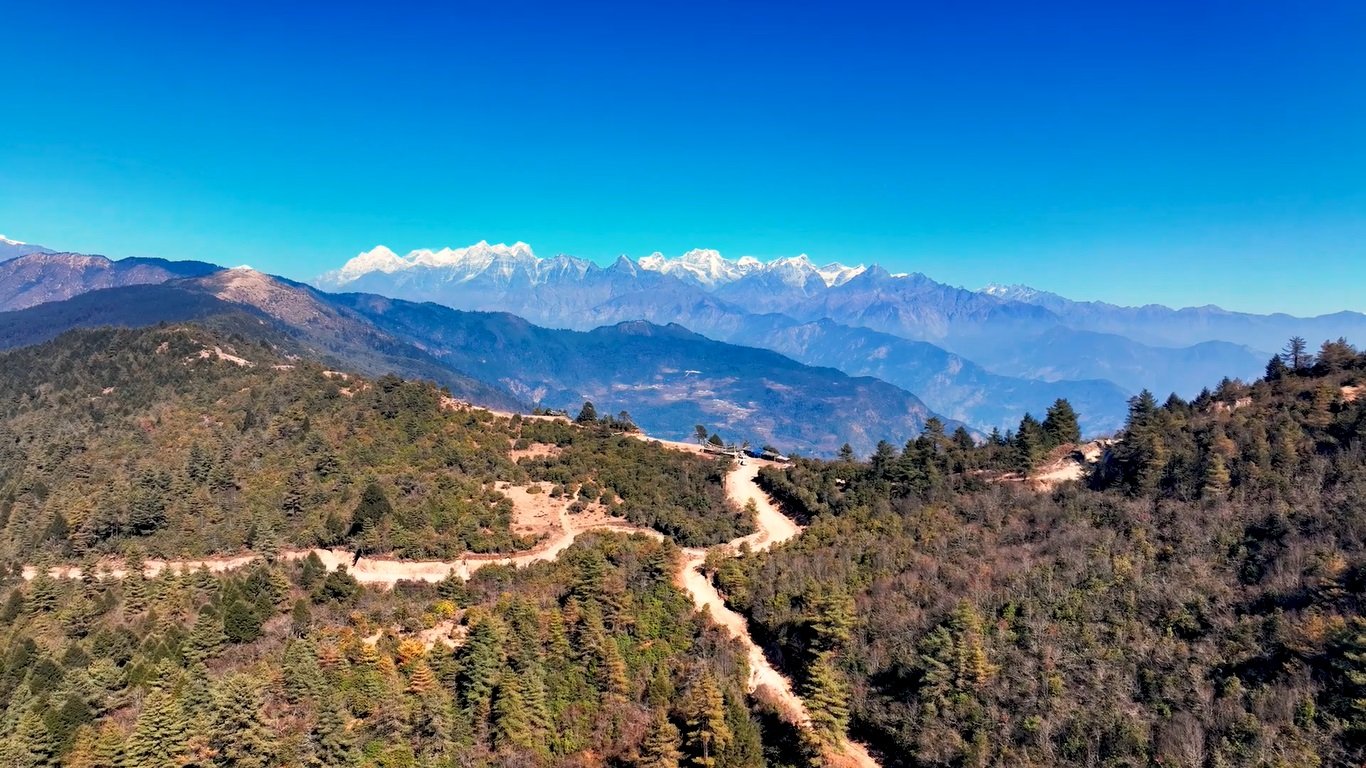
From viewpoints such as Silguri, Kudhamchaur, and Kudhamdanda, trekkers can enjoy panoramic views of:
- Mount Everest (8,848m)
- Kanchenjunga
- Mera Peak
- Numbur Himal
- Thamserku
- Kusum Kangru
- Lhotse
- Baruntse
- And many more Himalayan peaks
Authentic Cultural Experiences
The trail passes through traditional villages inhabited by:
- Khaling Rai
- Sherpa
- Tamang
- Magar
- Newar
- Brahmin/Chhetri
- Dalit communities
Travelers can stay in local homestays, enjoy organic food, witness traditional farming lifestyles, and participate in local festivals and rituals.
Incredible Nature and Biodiversity
Trekkers walk through:
- Rhododendron forests
- Alpine meadows
- Forested hills
- Terraced farms
- Scenic waterfalls
- Wildlife habitats rich in bird species
The region is home to over 100 species of birds, including several rare and endangered species.
Adventure Activities
The trail also supports adventure tourism activities such as:
- Rock climbing
- Cycling
- Wild honey hunting
- Meditation retreats
- Yoga experiences
- Canyoning near Paasdha Waterfall
Gateway to Khumbu and Mera Valley
This route can also connect trekkers to higher Himalayan adventures toward:
- Everest Base Camp
- Khumbu Region
- Mera Peak
Dudh Koshi Trek Starting Point
The Dudh Koshi Everest Trek typically begins from Silguri Hill near Salleri, the headquarters of Solukhumbu district, and follows a scenic loop through:
- Ghumne Mera
- Kudhamdanda
- Yotelmya
- Rappchha
- Khastap
- Paasdha
- Bhumesthan
Accommodation is available in homestays, local lodges, and temporary campsites.
Trek Highlights of the Everest trekking route via Dudh Koshi
Everest Himalayan Views along the Cultural Trek Route
The trail offers breathtaking panoramic views of the Himalayan range, including Mount Everest and at least 29 visible peaks from various viewpoints.
Rich Cultural Diversity on the Dudh Koshi Valley Trail
One of the biggest attractions of the Everest Dudh Koshi Trek is the opportunity to experience authentic rural Himalayan life.
Trekkers can enjoy:
- Traditional costumes and rituals
- Indigenous Rai and Sherpa culture
- Folk music and dance
- Organic local food and beverages
- Traditional craftsmanship
- Rural farming lifestyles
Religious and cultural landmarks on the Everest trail
The trail passes historic monasteries and Buddhist settlements, including the centuries-old Juve Purano Gompa, believed to date back to the 16th century.
Birdwatching and Biodiversity on the Everest Dudh Koshi Cultural Trek
Nature lovers can observe rare Himalayan bird species, dense forests, and blooming rhododendrons during spring.
Less Crowded Everest Trek Route
Unlike the busy Everest Base Camp trail, this trek remains peaceful and untouched, making it ideal for travelers seeking quiet Himalayan experiences.
Trek Difficulty and Altitude of Dudh Koshi
The Everest Dudh Koshi Cultural Trek is considered an easy to moderate trek, making it ideal for beginners and travelers with limited trekking experience.
Altitude Overview of Dudh Koshi Trekking Trail
- Lowest Elevation: 941m (Kaya area)
- Highest Elevation: Approximately 3,168m (Aran Danda/Kudham area)
3168m−941m=2227m3168m – 941m = 2227m
Because the trek stays below 3,500 meters, the risk of altitude sickness is significantly lower compared to the Everest Base Camp trekking.
Who Can Do This Trek?
This trek is suitable for:
- Beginners
- Families
- Senior travelers
- Cultural explorers
- Nature photographers
- Travelers looking for a short Everest trek
Best Time to Do the Trek
The Dudh Koshi Everest Cultural Trek can be done throughout the year, but the best seasons are:
Spring (March to May)
- Blooming rhododendron forests
- Clear mountain views
- Mild temperatures
Autumn (September to November)
- Stable weather
- Excellent visibility
- Best mountain panoramas
Winter (December to February)
- Clear skies
- Fewer trekkers
- Cold mornings and evenings
Monsoon (June to August)
- Lush green hills
- Rich biodiversity
- Occasional rain and slippery trails
Permits Required
Trekkers may require the following permits depending on the exact route:
Sagarmatha National Park Permit
Required if the route extends toward protected Everest region areas.
Local Municipality Permit
Local trekking and rural municipality fees may apply.
TIMS Card (Optional/Agency Dependent)
Trekkers Information Management System registration may be required through trekking agencies.
It is recommended to trek with a licensed local guide or trekking agency for updated permit regulations.
Accommodation and Food along the Dudh Koshi Trek
As a newly developed eco-cultural trekking route, the accommodation facilities at Dudh Koshi Everest Trek are basic but authentic.
Accommodation Options
- Local homestays
- Small mountain lodges
- Traditional Goth shelters upgraded for tourists
- Tent camping in remote sections
Food Available
Trekkers can enjoy:
- Organic local meals
- Traditional Nepali food
- Sherpa dishes
- Rai community cuisine
- Fresh seasonal produce
Connectivity
- Mobile communication is available in most sections
- 4G internet is accessible in many villages
- Limited WiFi availability
Why Travelers Love the Everest Dudh Koshi Cultural Trek
- Lower altitude with Everest views
- Rich local culture
- Peaceful trails
- Fewer tourists
- Easier trekking conditions
- Authentic homestay experiences
- Great for short holidays in Nepal
Packing List for Everest Dudh Koshi Trek
Here are the essential items to pack:
Clothing
- Lightweight trekking clothes
- Warm fleece jacket
- Down jacket for evenings
- Waterproof jacket
- Trekking pants
- Gloves and hat
Footwear
- Comfortable trekking boots
- Sandals or camp shoes
- Warm socks
Trekking Gear
- Daypack
- Water bottle
- Trekking poles
- Sunglasses
- Sunscreen
- Headlamp
Personal Items
- Basic medicines
- Toiletries
- Power bank
- Camera
Why Choose the Everest Dudh Koshi Cultural Trek Over Everest Base Camp?
Many travelers now search for a less crowded Everest trek or an alternative to Everest Base Camp. The Dudh Koshi Everest Cultural Trek stands out because it offers a more relaxed and authentic Himalayan experience.
Final Thoughts
The Dudh Koshi Everest Cultural Trek is quickly emerging as one of Nepal’s most promising cultural trekking routes. Combining Everest panoramas, rich indigenous heritage, biodiversity, village life, and low-altitude accessibility, it offers a unique alternative to traditional Everest trekking.
Whether you are searching for a short Everest trek, a family-friendly Himalayan adventure, or an off-the-beaten-path cultural experience in Nepal, this trail delivers an unforgettable journey into the heart of the Everest region.
Trip Itinerary
Kathmandu to Silgudi
Drive from Kathmandu to Silgudi via Salleri and begin your Everest cultural journey.
- Drive Duration: 8–10 hours
- Starting Altitude: Kathmandu – 1,400 m
- Ending Altitude: Silgudi – approx. 3,006 m
- Activity: Scenic drive through the mid-hills and lower Everest region villages. Overnight at Silgudi.
Silgudi to Kudham Mid Camp via Ghumne Mera
Trek through forests, meadows, and local villages with stunning mountain scenery.
- Walking Hours: 5–6 hours
- Starting Altitude: Silgudi – 3,006 m
- Mid Point: Ghumne Mera – approx. 2,790 m
- Ending Altitude: Kudham Mid Camp – approx. 2,962 m
- Activity: Trek through forested ridges, traditional settlements, and panoramic viewpoints.
Morning Hike to Kudham View Point and Trek to Yotelmya
Enjoy sunrise Himalayan views before descending toward Yotelmya village.
- Walking Hours: 5–6 hours
- Starting Altitude: Kudham Mid Camp – 2,962 m
- View Point Altitude: approx. 3,168 m
- Ending Altitude: Yotelmya – approx. 2,813 m
- Activity: Early morning excursion to Kudham View Point for Himalayan sunrise views, followed by a gradual trek to Yotelmya.
Yotelmya to Rappchha then Khastap
Experience local culture, rural landscapes, and traditional mountain lifestyles.
- Walking Hours: 6–7 hours
- Starting Altitude: Yotelmya – 2,813 m
- Rappchha Altitude: approx. 2,500 m
- Ending Altitude: Khastap – approx. 1,900 m
- Activity: Trek through alpine landscapes and local grazing areas with expansive mountain scenery
Drive to Bhumesthan, Paasdha (Sundar Jharana), Mahabhir then Silgudi
Visit scenic waterfalls, and sacred religious sites.
- Drive & Exploration Duration: 6–7 hours
- Starting Altitude: Khastap – 1,900 m
- Ending Altitude: Silgudi – approx. 3,006 m
- Activity: Descend by vehicle while visiting Bhumesthan, Paasdha (Sundar Jharana), and Mahabhir viewpoints and waterfalls.
Silgudi to Kathmandu
Return journey to Kathmandu.
- Drive Duration: 8–10 hours
- Starting Altitude: Silgudi – approx. ,3006 m
- Ending Altitude: Kathmandu – 1,400 m / 4,593 ft
Why not list the price?
Each client's needs may be different. The price of the trip varies according to the size of your group and the service you want. The cost of the trip is calculated according to the type of service and accommodation chosen by our customers.
Each trip is customized to fit the client's needs and group size, so the price of each organized trip is different. Please let us know the service you want and the size of the group. We create trips to suit your taste and travel budget per your requirements. Hope you find our price calculation reasonable according to your needs and preferences.
Frequently asked questions about this trip
What is the Dudh Koshi trek?
The Everest Dudh Koshi Cultural Trek is a newly developed trekking route in southern Solukhumbu that combines Everest mountain views, local culture, and low-altitude trekking experiences.
Is there an alternative to Everest Base Camp trek?
Yes. With a maximum altitude of around 3,168 meters and relatively short trekking days, this route is ideal for beginners.
Which Everest trek is less crowded?
Less crowded trails on Mount Everest involve Everest Dudh Koshi Cultural Trail and the Gokyo Valley Trail, among others. These options avoid the busy Everest Base Camp trek while still offering stunning Himalayan scenery and authentic village experiences.
How difficult is trekking in the Everest region?
Difficulty depends on the route. Everest Base Camp is moderately challenging, while the Everest Dudh Koshi Cultural Trek is considered easy to moderate.
How many days is the Dudh Koshi trek?
The Everest Dudh Koshi Cultural Trek can be completed in 6 to 12 days, depending on your schedule and chosen route. Shorter options focus on villages at lower elevations, while longer itineraries provide more opportunities for cultural immersion and side excursions.
Do I need a guide for Everest region trekking?
While independent trekking may be possible in some sections, hiring a licensed local guide is highly recommended for navigation, cultural insight, and logistics.
Guest reviews

Karma and his team from Odyssey Treks are second to none. Every step of the way, from the warm and friendly pickup at the airport to spotting tigers in Bardiya National Park, Karma supported us and made our experience incredibly comfortable. He guided us through Sagarmatha National Park so...

We made it to Everest Base Camp on the 3rd of November!!! Myself and Dami Sherpa, who was the best company and always extremely helpful. Amazing hike and great experience! Fully recommended!
Trip Highlights
- Trip Durations 6 Days
- Trip Destination Nepal
- Group Size 1-20
- Accommodation Tea House/Home stay
- Trip Grade Easy-Moderate
- Best Season March-May, Sep-Nov
- Max Altitude 3,168 m
-
-

Similar Trips

Everest High Passes Trek – 18 Days

Everest Base Camp Trek Package

Everest Thame Legendary Trek – 06 Days